
General S. M. Shafiuddin Ahmed: A Prominent Name in Bangladesh's Military Leadership
An overview of the career, leadership, and contributions of former Bangladesh Army Chief General S. M. Shafiuddin Ahmed to the country's defense establishment.
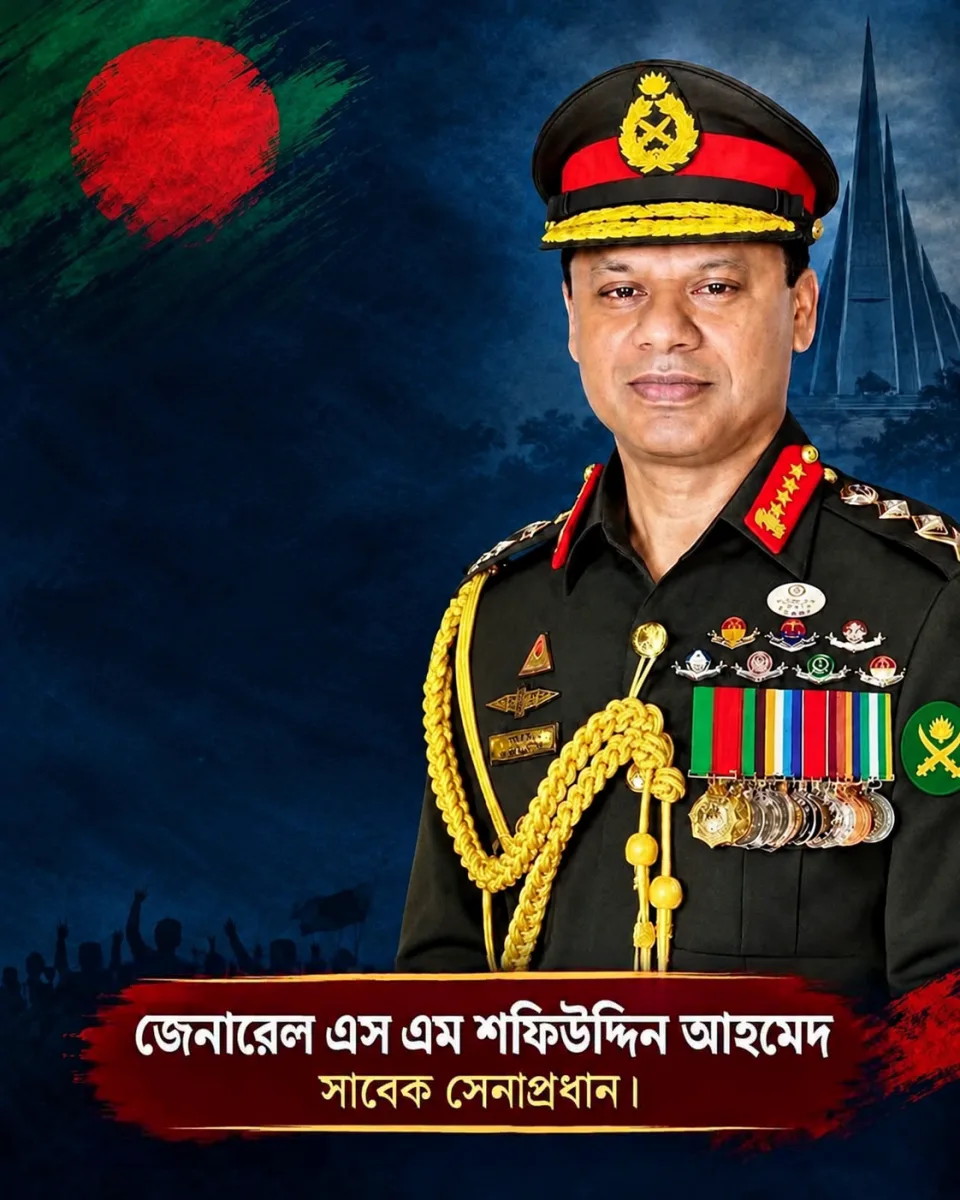 Credit: INT NEWSDesk
General S. M. Shafiuddin Ahmed is a notable figure in Bangladesh's military history. As a former Chief of Army Staff of the Bangladesh Army, he led the country's land forces and held key responsibilities involving military administration, professional training, and the development of defense capabilities.
During his tenure as army chief, military modernization, professional development, and international cooperation remained important aspects of Bangladesh's defense priorities. In an evolving regional and global security environment, strengthening military capabilities and improving operational readiness are essential challenges for any modern armed force.
Military Leadership and Professional Experience
Throughout his military career, General S. M. Shafiuddin Ahmed served in several important positions. His responsibilities included military administration, maintaining organizational discipline, and supporting the professional development of army personnel.
The effectiveness of a modern military depends not only on manpower and equipment but also on training, technological advancement, strategic planning, and leadership. These factors continue to play an important role in discussions about the future of Bangladesh's defense capabilities.
The Importance of Bangladesh's Defense Sector
Given Bangladesh's geographical position, regional relationships, and national security requirements, the defense sector plays a significant role in protecting the country's sovereignty and supporting national interests.
The Bangladesh Army also contributes to disaster response when required and supports civilian authorities in designated circumstances. In addition, Bangladesh's participation in United Nations peacekeeping operations has helped strengthen its international engagement and cooperation with other countries.
Future Challenges and Opportunities
Rapid technological developments, cybersecurity threats, modern military equipment, and changing international security conditions are increasingly important considerations in defense planning.
Investing in professional training, technological capabilities, and long-term strategic planning can help strengthen Bangladesh's defense preparedness. Cooperation with international partners and continued institutional development also remain relevant to the country's broader security objectives.
Conclusion
General S. M. Shafiuddin Ahmed's tenure as Bangladesh Army Chief represents a chapter in the country's contemporary military history. His professional career provides a starting point for examining military leadership, institutional development, and the evolving priorities of Bangladesh's defense establishment.
As Bangladesh continues to navigate regional and global security challenges, effective leadership, professional standards, and modernization will remain important elements of its defense strategy.